
Start holiday marketing for a restaurant four to six weeks before the date. Publish the menu and open reservations or pre-orders first, then run Meta and Google ads to locals in the last two to three weeks, with the biggest push in the final ten days. Sell something specific: a set brunch, a family meal kit or a pre-ordered pie.
- NRF expected Mother’s Day 2026 spending to reach a record $38 billion, with 63% planning a special outing like dinner or brunch.
- Easter and Thanksgiving are often home-cooking holidays, so sell take-home meals, catering and desserts, not only tables.
- Launch the offer 4 to 6 weeks out, push ads hardest in the last 10 days, and stop pre-order ads when you sell out.
- Update your Google Business Profile holiday hours and menu before any ad goes live.
Why holidays matter so much for restaurants
On a normal Tuesday, people pick a restaurant an hour before they eat. On Mother’s Day, they pick it weeks ahead, and they book where they saw a clear offer first. Holidays reward the restaurants that plan, and punish the ones that post “we’re open Sunday!” two days before.
Mother’s Day is the big dine-in holiday. Easter and Thanksgiving work differently. Many families cook at home, which opens a second opportunity: selling them the food they do not want to make.
When should a restaurant start holiday marketing?
Earlier than you think. Here is a simple timeline that works for most independent restaurants, bakeries and caterers.
| When | What to do |
|---|---|
| 6 weeks out | Decide the offer, the price and your capacity. Build the menu and the booking or pre-order page. |
| 4 to 5 weeks out | Announce to your email list, SMS list and social followers. Update your Google Business Profile. |
| 3 weeks out | Start paid ads to locals. Retarget people who visited the menu page. |
| 10 days out | Raise budget. Add urgency: limited seatings, pre-order deadline, last call. |
| 2 to 3 days out | Switch ads to walk-in, takeout and gift cards. Pause pre-order ads once you are full. |
| After the day | Thank guests, ask for reviews and invite them back with a follow-up offer. |
Upcoming dates to plan around
| Holiday | 2026 | 2027 | Start ads by |
|---|---|---|---|
| Easter | April 5 | March 28 | About 3 weeks before |
| Mother’s Day | May 10 | May 9 | About 3 to 4 weeks before |
| Thanksgiving | November 26 | November 25 | 4 weeks before for pre-orders |
Easter marketing ideas for restaurants
Easter is a brunch holiday and a family holiday. Sell the occasion, not just the food.
A lot of that money goes to groceries. Your job is to capture part of it with food people would rather buy than make.
- A fixed-price Easter brunch with two or three seating times, so you control the kitchen.
- A kids’ activity that gives parents a reason to pick you: an egg hunt on the patio, a decorate-your-own cookie station.
- A take-home Easter meal for families hosting at home: ham or lamb, sides and dessert for a set number of people.
- Bakery items people bring to someone else’s table: hot cross buns, carrot cake, pastry boxes. Pre-order only.
- For coffee shops and bakeries, a gift box that works as an Easter basket for adults.
Mother’s Day restaurant promotion ideas
Mother’s Day packs a huge share of the year’s brunch and dinner demand into one day. The challenge is less about demand and more about capacity and experience.
- Book seatings in fixed time slots and require a card to hold larger tables.
- Offer a set menu or a short holiday menu. It speeds up the kitchen on your busiest service.
- Add a small touch moms remember: a flower at the table, a photo spot, a glass of something sparkling.
- Sell gift cards hard in the last week. Gift cards are the last-minute gift for people who forgot to book.
- For families who cannot get a table, offer a Mother’s Day brunch box for pickup.
- Spread demand with “Mother’s Day weekend” specials on Saturday, not just Sunday.
Thanksgiving marketing ideas for restaurants and food businesses
Most families cook Thanksgiving dinner. Your best product is the part of the meal they do not want to make, and the nights around the holiday when nobody wants to cook.
- Pre-ordered pies, rolls and sides with a clear order deadline and pickup window.
- A full Thanksgiving dinner package for people who are hosting but short on time.
- Catering trays for office Thanksgiving lunches the week before.
- A dine-in Thanksgiving menu for people who would rather not host at all.
- The night before Thanksgiving: a “no cooking tonight” takeout deal for families getting ready.
- The weekend after: leftovers fatigue is real. Promote something completely different.
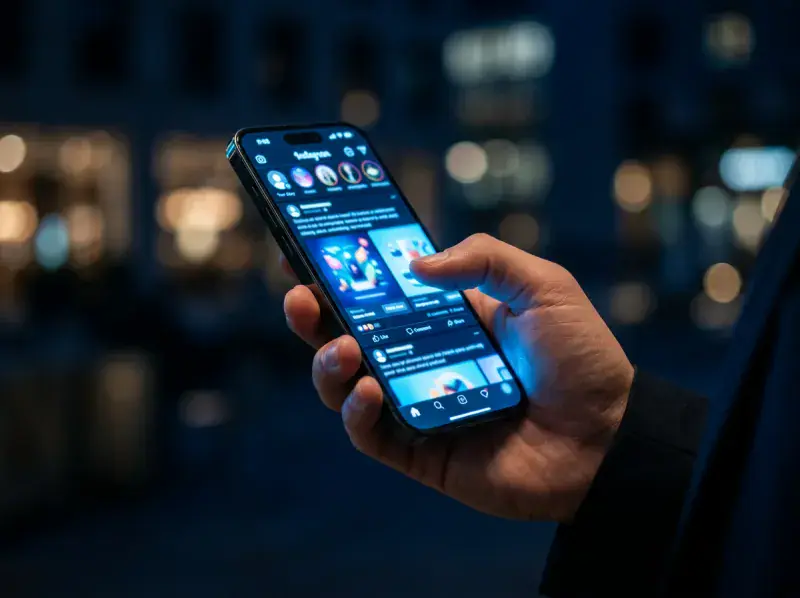
How to run Facebook and Instagram ads for a holiday
- 1Target people who live or work within a short drive of the restaurant. For most places, a few miles is enough.
- 2Send ads to one page: the holiday menu with a booking or order button. Not your homepage.
- 3Use real photos or short videos of the actual holiday dishes. A phone video of a carved ham beats stock images.
- 4Lead with the specific offer and the deadline in the first line: “Easter brunch, 3 seatings, book by April 1.”
- 5Retarget people who viewed the menu page but did not book, with a reminder about remaining slots.
- 6Upload your customer email list as a Custom Audience, and show past guests an early-access message.
Google Ads and local search
People also search “Easter brunch near me” or “Thanksgiving pies [your city].” A small Google Search campaign on these holiday phrases, live for the last two to three weeks, catches that intent. Before that, make sure your Google Business Profile shows special holiday hours, a post about the offer and a link to the booking page.
Use your email and SMS list first
Your cheapest holiday bookings come from people who already know you. Before you spend a dollar on ads, tell your own list. Send the announcement four to five weeks out, a reminder two weeks out and a last-call message a few days before. Give past guests early access to the best seating times. They feel valued, and you fill the hardest slots before the public sees them.
Keep texts short and only send them to people who agreed to receive marketing texts. One clear message with a booking link beats three vague ones. After the holiday, use the same list to collect reviews and invite guests back.
Holiday ad budget: how much should a restaurant spend?
There is no universal number. Work backward from capacity instead. If you have 120 brunch seats to fill and most come from regulars and your email list, ads only need to fill the gap. Spend most of the budget in the final ten days, when people are actually booking, and less in the first weeks, when you are building awareness.
| Phase | Share of holiday ad budget | Goal |
|---|---|---|
| Weeks 3 to 2 before | About a third | Awareness and early bookings |
| Last 10 days | About half | Bookings and pre-orders |
| Final 2 to 3 days | The rest | Gift cards, takeout, walk-ins |
Mistakes restaurants make with holiday marketing
- Starting a week before. By then, the planners have already booked somewhere else.
- A vague offer. “Join us for Easter” gives nobody a reason. A menu, a price and a seating time do.
- Ads running after you are sold out. Check bookings daily and pause when full.
- Wrong hours on Google. Few things cost more trust than a family showing up to a closed door.
- No follow-up. Holiday guests are often first-timers. Ask for a review and give them a reason to come back on an ordinary night.
Frequently asked questions
Announce the menu and open reservations four to five weeks before. Start ads about three weeks out and put most of the budget into the last ten days.
Pre-ordered pies, rolls and sides, full dinner packages for busy hosts, office catering the week before and takeout the night before the holiday.
Both work for different jobs. Facebook and Instagram create demand with photos and video. Google catches people already searching for “Easter brunch near me.” Start with Meta if the budget is small.
Use fixed seating times, a limited set menu, and a booking system with a hard cap. For pre-orders, close the form automatically when you reach kitchen capacity.
Send a thank-you email or text, ask for a Google review, and offer a reason to return on a normal weeknight. Holiday guests are often first-time customers.